


News
27th Nov 2026
Differentiation and Demand-Led Growth: What Warrendale Wagyu Shared with the Society of Agriculture
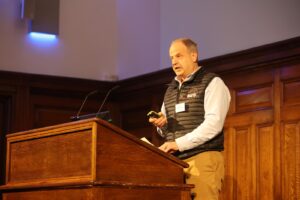
Dan Morris argues that value creation is key
Differentiation and Demand-Led Growth: What Warrendale Wagyu Shared with the Society of Agriculture
The future of British agriculture will not be shaped simply by producing more. It will be shaped by producing what consumers genuinely want, creating value throughout the supply chain and building businesses that are aligned with demand. That was the central message delivered by Dan Morris, Warrendale Wagyu’s Head of Production, during his presentation to the Society of Agriculture on 5 November 2026.
Speaking on the theme of Differentiation and Demand-Led Growth, Dan outlined how Warrendale Wagyu has grown from an ambitious idea into one of the UK’s leading premium beef brands by putting the customer at the centre of every decision.
Starting with the Consumer
For decades, many agricultural businesses have focused primarily on production efficiency. While efficiency remains important, Dan argued that long-term success depends on understanding consumer expectations and then designing a supply chain capable of delivering them consistently.
Warrendale Wagyu’s approach begins with a clear objective: producing exceptional eating quality while ensuring affordability, transparency and high welfare standards. Rather than treating consumer demand as an afterthought, the business works backwards from the customer, allowing genetics, production systems, finishing strategies and marketing to support a clearly defined product proposition.
Building a Supply Chain Around Partnership
A key theme of the presentation was the importance of building genuine partnerships throughout the supply chain.
Since its establishment, Warrendale Wagyu has sought to create a model that delivers value for farmers, processors, retailers and consumers alike. The business has been built on transparency, collaboration and long-term relationships, recognising that sustainable growth can only be achieved when all participants benefit from success.
This philosophy has helped attract hundreds of farming businesses to the scheme and has provided producers with greater confidence through clear market access, technical support and a structured route to premium beef production.
The Power of Differentiation
One of the strongest messages from Dan’s presentation was that differentiation matters.
In increasingly competitive food markets, simply producing a commodity product can expose farmers to volatility and shrinking margins. By creating a distinctive product with clear consumer appeal, businesses can build stronger brands, improve loyalty and capture more value throughout the chain.
Warrendale Wagyu has focused on creating a product that stands apart through eating quality, consistency and provenance. This has enabled the business to establish relationships across multiple sales channels, including retail, foodservice, wholesale, direct-to-consumer and export markets, reducing reliance on any single outlet and creating opportunities to maximise value across the entire carcass.
Growth Through Collaboration
The scale of Warrendale Wagyu’s development demonstrates what can be achieved through a coordinated demand-led strategy. The business now works with more than 700 active farmers, has over 65,000 contracted animals and processes around 600 cattle each week. In addition, around 600 calves enter the scheme every week, supporting continued expansion across the UK beef sector.
Such growth has required significant investment, not only in production capacity but also in technical support, farmer engagement, genetics and supply chain development. According to Dan, maintaining quality while growing volume has only been possible because of the strong collaboration between farmers and the wider Warrendale team.
Data Drives Better Decisions
Another important topic discussed during the presentation was the role of data in improving performance.
By collecting and analysing information throughout the supply chain, Warrendale Wagyu is able to connect production decisions with consumer outcomes. This allows continuous refinement of genetics, management practices and market specifications, helping producers improve both consistency and profitability.
Rather than focusing solely on production metrics, the business places equal emphasis on understanding the factors that influence eating quality and customer satisfaction. This consumer-led feedback loop is increasingly important as food businesses seek to meet evolving market expectations.
Confidence Creates Investment
Dan also highlighted the importance of confidence within the agricultural sector. Farmers are more willing to invest when they have certainty around market access, pricing structures and long-term opportunities. Warrendale’s model aims to provide that confidence through transparent relationships, technical guidance and a shared commitment to growth.
At a time when the industry faces significant policy, economic and environmental challenges, creating a framework that encourages investment may be one of the most important drivers of future productivity and resilience.
Looking Ahead

Concluding the presentation, Dan challenged delegates to think differently about growth. Success, he argued, is not simply about increasing production. It is about understanding demand, delivering consistent quality and creating supply chains that reward everyone involved.
The Warrendale Wagyu story demonstrates how a clear focus on differentiation, consumer demand and collaborative partnership can create sustainable growth opportunities for British farmers. As agriculture enters a period of rapid change, these principles are likely to become increasingly important for businesses seeking to thrive in competitive and evolving markets.
 GO BACK
Share News Story


RELATED NEWS
View All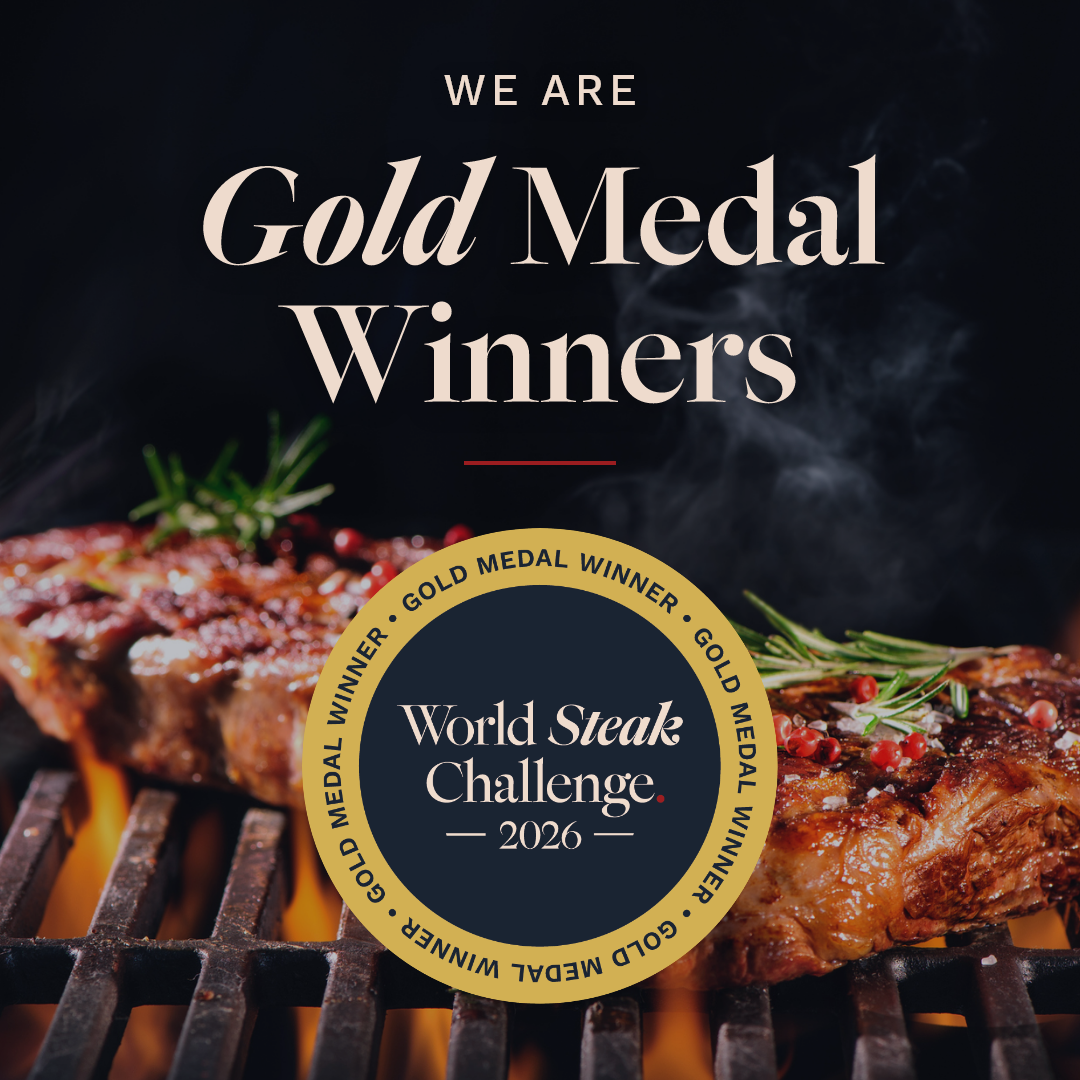
Gold standard: Warrendale celebrates World Steak Challenge success
Warrendale Wagyu's steaks wowed the judges in the World Steak Challenge in 2026, with gold medals across its range.

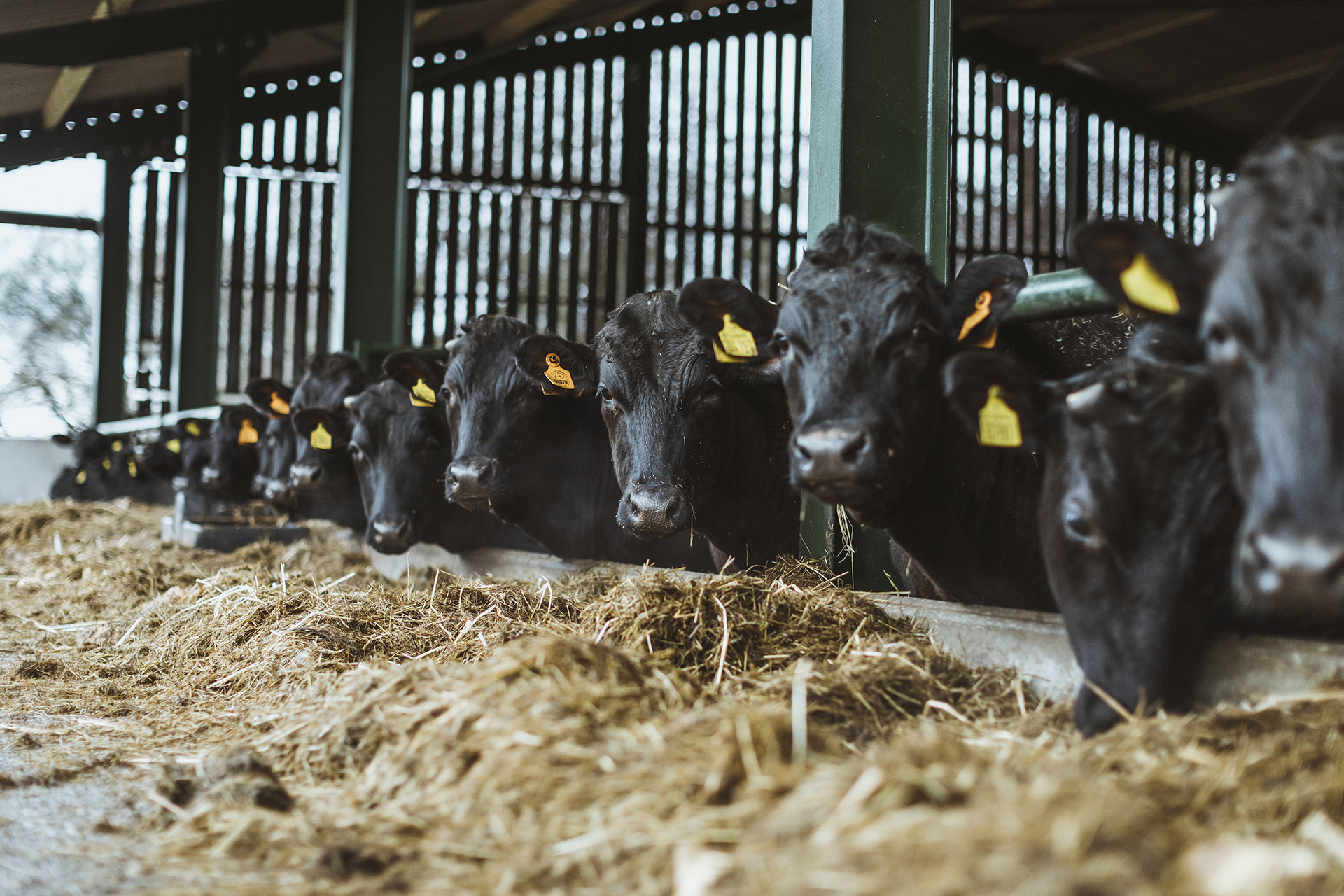
Are you feeding more but getting less?
Costs may add up on farm, especially in the winter. We look at how out Cost of Production research demonstrates key areas in which to focus.