


Cutting farm costs: practical ways beef and dairy farmers can reduce fuel, feed, fertiliser and labour expenses
Rising input costs continue to put pressure on UK farms. For beef farmers and dairy farmers, increasing prices for fuel, labour, fertiliser and feed are squeezing margins and making efficiency more important than ever.
While no farm can avoid cost inflation entirely, many producers are successfully reducing farm costs by improving efficiency, refining systems and making better use of existing resources. Below are practical, proven ways to lower costs without sacrificing animal performance or long-term sustainability.
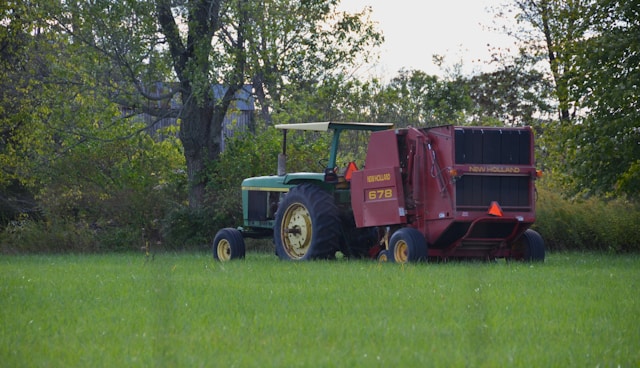
Reducing Fuel Costs on Beef and Dairy Farms
Fuel prices remain unpredictable, making fuel one of the biggest variable costs on livestock farms. Cutting fuel use, rather than simply chasing cheaper suppliers, often delivers the greatest savings.
Practical ways to reduce fuel costs:
- Reduce unnecessary tractor hours by combining operations where possible
- Match machinery size to the task to avoid over-fuelling
- Maintain your vehicles: well-maintained vehicles used up to 15% less fuel
- Maintain correct tyre pressures to improve fuel efficiency
- Consider a bale-grazing strategy, so it means few tractor runs filling up ring-feeders
Many UK beef and dairy farmers report noticeable annual savings by making small operational changes to how machinery is used.
Cutting Labour Costs Through Smarter Farm Systems
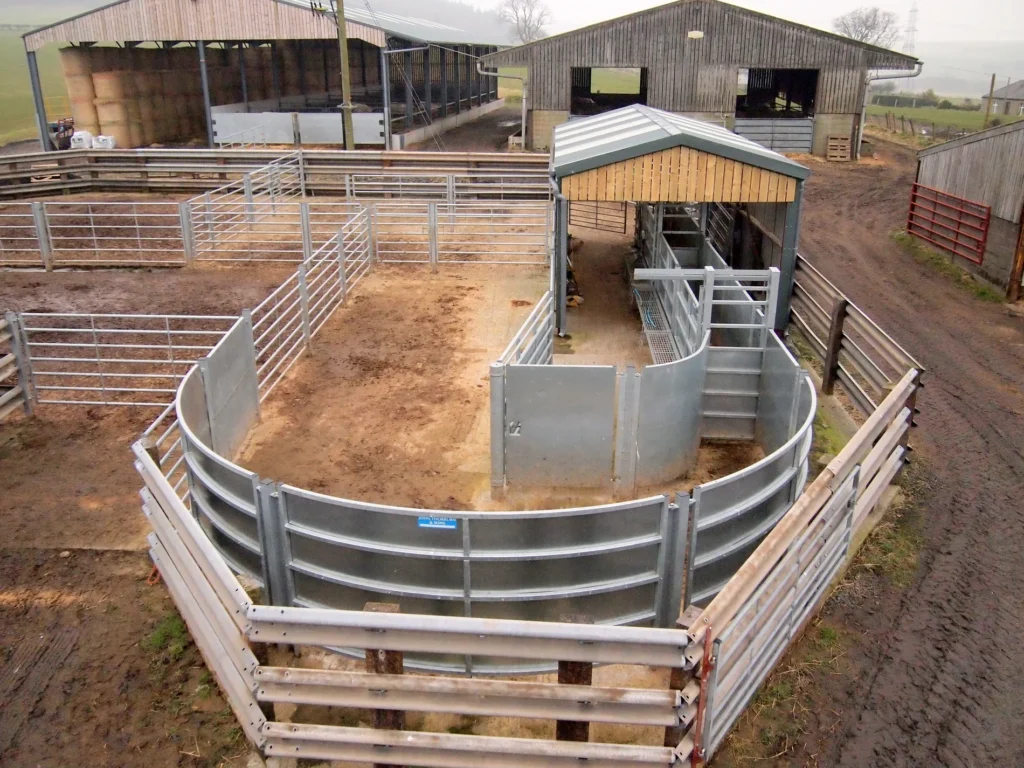
Labour shortages and rising wages are major challenges across agriculture. Instead of adding more labour, many farms are focusing on simplifying systems and saving time per task.
Labour-saving ideas for livestock farms:
- Streamline daily routines and remove low-value jobs
- Improve cattle handling systems to reduce time per animal
- Batch tasks such as feeding, bedding and health checks
- Use technology such as auto-drafting, heat detection and remote monitoring
Efficient handling systems are especially valuable for beef farms, reducing both labour time and stress on cattle. Technology grants can help with the costs of buying equipment and the long-term benefit is clear.
Lowering Fertiliser Costs With Better Grassland Management
High fertiliser prices have forced many farmers to rethink nutrient use. The most cost-effective approach is often using fertiliser more precisely, rather than using more.
Ways to reduce fertiliser spend:
- Carry out regular soil testing to target nutrients accurately
- Prioritise high-response fields and productive paddocks
- Maximise the value of slurry and farmyard manure
- Apply fertiliser at the right time to improve uptake
- Reseed underperforming grass rather than over-applying fertiliser
- Rethink the type of grass seed to mitigate for changing climatic conditions.
Grass-based beef and dairy systems can often maintain output while cutting fertiliser use by focusing on soil health and grass quality.

Reducing Feed Costs on Beef and Dairy Farms
Feed is usually the largest single cost on livestock farms. Reducing feed costs is less about buying cheaper feed and more about improving feed efficiency and forage utilisation.
Practical feed cost reductions include:
- Regular forage analysis to balance rations correctly
- Minimising waste at feed barriers and silage clamps
- Improving silage quality through better cutting and sealing
- Matching feed levels closely to production stage
For both beef and dairy farmers, better use of high-quality home-grown forage remains one of the most reliable ways to cut purchased feed costs.
Long-Term Cost Control: Genetics, Health and Longevity
Short-term savings should not undermine long-term performance. Farms with strong genetics, good health planning and longer-living cattle often experience lower overall costs.
Long-term benefits include:
- Reduced vet and medicine costs
- Lower replacement rates
- Improved feed conversion efficiency
- Reduced labour demands from calmer, healthier cattle
Investing in robust cattle genetics and preventative health strategies pays dividends in both beef and dairy systems. It is also why Warrendale puts so much focus on genetic improvement in collaboration with Genus ABS.
Final Thoughts: Building More Resilient Beef and Dairy Farms
Input costs are unlikely to fall significantly in the near future. However, farmers who focus on efficiency, system design and resource management are best placed to protect margins.
Small improvements across fuel use, labour efficiency, fertiliser application and feed management can combine to deliver meaningful savings, without compromising welfare or performance.
At Warrendale, we believe resilient, well-managed farms are the foundation of sustainable beef and dairy production, and that sharing practical knowledge helps farmers move forward together.
Want to read more?
Check out our webinar on Maximising profits in the supply chain.


