

Conference Highlights: The Wagyu Wonder – The Future of Premium Beef
News
24th Jun 2026
Conference Highlights: The Wagyu Wonder – The Future of Premium Beef
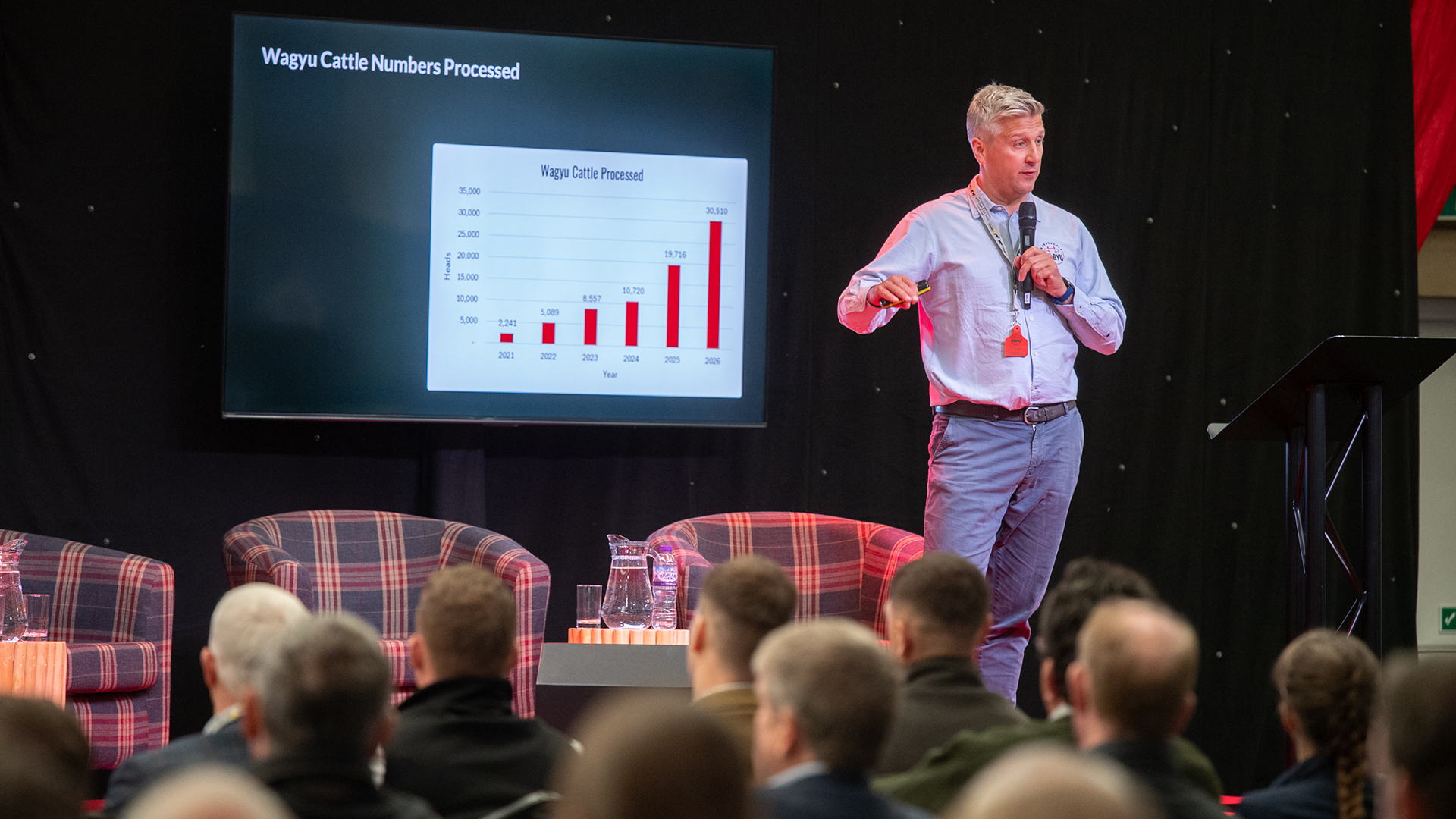
Conference day 1 featured a panel discussion featuring Tom Cokell of Aldi, John Bengue of Freedown Foods and Roger Leung of Eastern Point Trade explored both the opportunities and challenges facing British Wagyu in domestic and international markets.
WATCH NOW: Click the play button on the image below to view the whole session.

The discussion began with an honest assessment of current trading conditions. John Bengue highlighted the pressures facing the hospitality sector, with restaurants grappling with rising costs, staffing challenges and cautious consumer spending. While premium dining has remained relatively resilient, much of the casual dining sector continues to face difficult market conditions.
Despite these challenges, the panel remained optimistic about the future of British Wagyu. Roger Leung, who works extensively across Asian markets, explained that Wagyu is now firmly established in destinations such as Hong Kong and Singapore, where consumers have access to products from Japan, Australia and an increasing number of other countries. However, he believes British Wagyu has a genuine opportunity to carve out its own niche.
According to Roger, one of the biggest differentiators is flavour. While Japanese Wagyu is renowned for its rich marbling and buttery fat, British Wagyu offers a more balanced eating experience with a stronger beef flavour and a distinctive taste influenced by British production systems and grass-based diets.
Roger said: “Warrendale’s wagyu, British wagyu, is a differentiator because it is from the UK. When I talk to people in Hong Kong about it they see it as a novelty and they want to know more. What I feel is a main differentiator is the actual taste of the product. There is a distinctive taste and flavour difference compared to Australian and especially Japanese wagyu. The taste comes from that meaty game flavour with less of that rich fat and more of the beef flavour.
“As British wagyu is on a largely grass-fed diet, you are getting that different flavour and marbling.”
The importance of provenance and storytelling was another recurring theme. John Bengue emphasised that chefs increasingly want products with a strong story behind them, while consumers are becoming more interested in where their food comes from and how it has been produced. This creates an opportunity for British Wagyu producers to differentiate themselves through quality, transparency and consistency.
He said: “There is a demand for British product and we talk to chefs a lot about this. It’s all about the storytelling – we have some great marketing going on promoting British wagyu and dispelling the myths. It’s all about consumers eating high quality wagyu and keeping the positioning. Consequently, with all the people buying wagyu from Aldi, it is becoming a relationship between a high quality product and meeting demand.”
The panel also explored changing consumer trends. Tom Cokell highlighted growing demand for protein-rich, nutrient-dense foods and suggested that beef is well placed to benefit from these shifts. While the rise of weight-loss medications is changing purchasing habits, he believes high-quality beef products remain relevant because of their nutritional credentials.
Looking ahead, the speakers agreed that maintaining quality standards will be critical as the category continues to grow. While British Wagyu may never compete with imported products on price, its reputation for quality, provenance and eating experience provides a strong platform for future growth both in the UK and overseas.
Key Takeaways
• The foodservice sector remains under pressure, with restaurants facing rising labour costs, National Insurance increases and reduced consumer spending.
• Despite the economic challenges, demand for premium beef remains resilient, particularly where products offer strong provenance, quality and a compelling story
• British wagyu occupies a unique position between highly marbled Japanese wagyu and more mainstream beef products, offering a balance of marbling and traditional beef flavour.
• Taste is a key differentiator. British wagyu’s grass-fed influence and production systems create a flavour profile that differs from imported wagyu products.
• British wagyu is unlikely to compete on price with imported products, making quality, consistency and provenance its strongest competitive advantages.
• Maintaining quality standards is essential to protect consumer confidence and the long-term reputation of the product.
Read more from the Warrendale Conference here.
 GO BACK
Share News Story